The Assumption of the Wilderness
by Christine Geeding, WWF Board Member
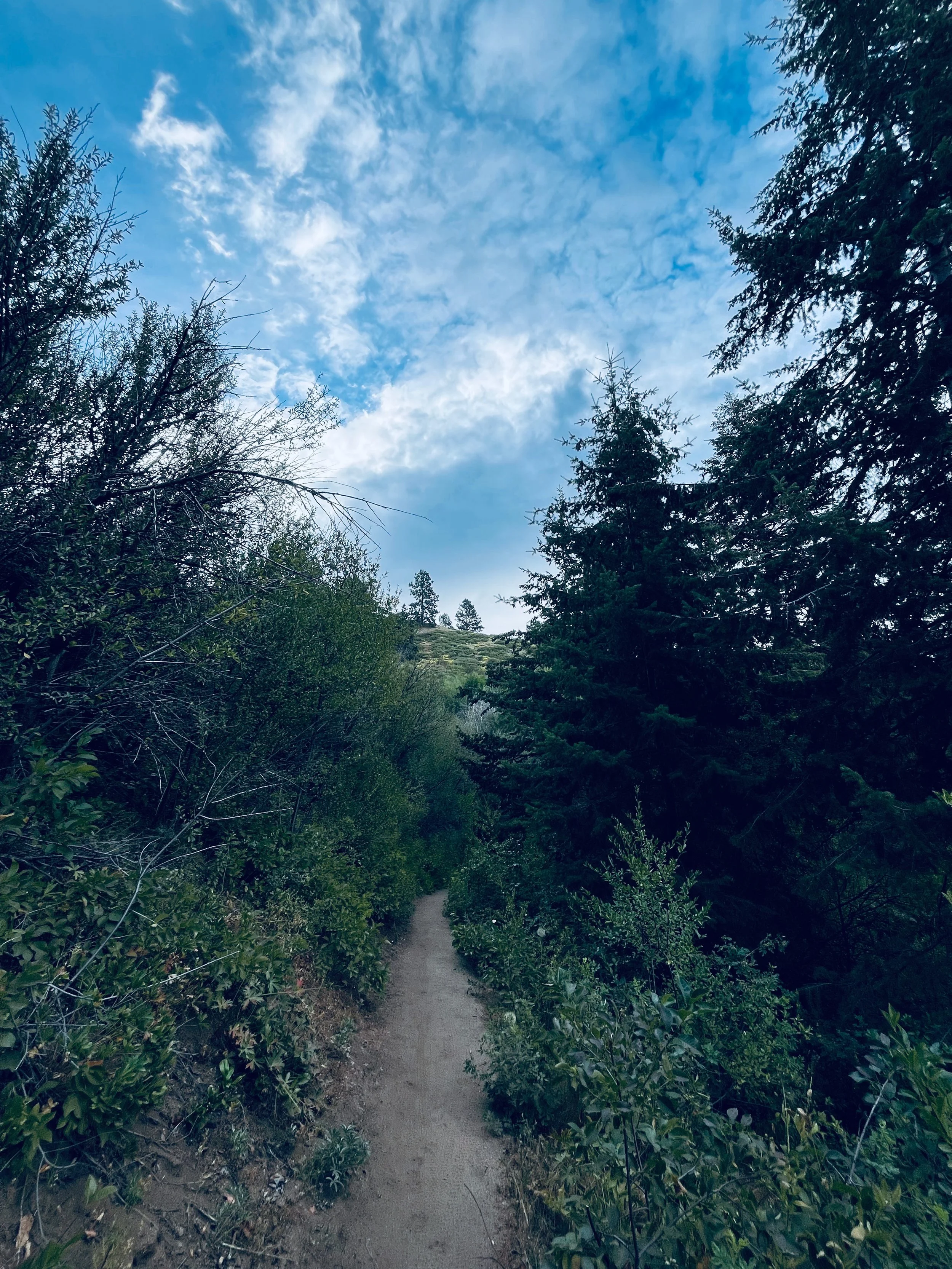
Freddy’s Stack Rock Trail, Horseshoe Bend, ID
The Wilderness Ways Foundation is an interfaith, interdenominational organization with no particular religious affiliation. But on our board sit pastors, faith leaders, non-profit workers, social activists, and other flavors of religious engagement. I happen to be a pastor. I work at a Presbyterian (PCUSA) church in Idaho, and I love my work. I’m not going to preach to you today, but I do want to draw a parallel or two that I’ve been living in.
In Protestant and Catholic churches, we are currently in the season of Lent (that time between Ash Wednesday and Easter). During these 40 days (minus Sundays) believers intentionally enter a “wilderness” time where they explore stories and spiritual practices that disrupt their regular routines. Some people give up coffee and chocolate. Some people add new practices or intentions to their lives, spiritual or otherwise. It is all in service of learning, becoming, and remembering.
I preached about the wilderness last week, and for preparation, I listened to a podcast interview from the Yale Center of Faith and Culture of Dr. Esau McCaulley, professor at Wheaton College. Dr. McCaulley said (and I switched the word “Lent” for “wilderness” here because they’re basically the same thing to me), “The wilderness has the realization of failure baked into it.”
If I may anthropomorphize the wilderness for a moment: The wilderness assumes that we will grow, because in order to survive there (and to thrive when we get back home) we must grow.
Sometimes that growth takes shape as we realize things about ourselves. Sometimes we find that we are unequipped and unprepared, and we must adapt. Sometimes things go wrong that we could have never anticipated. The quiet of the wilderness brings our own voice (or the voice of a higher power) to life, which we may have been silencing. And by necessity, we then grow, adapt, and listen.
Recently took a trip Portugal to visit my brother and sister-in-law who have been living there for several years. When I travel, whether it’s to the *real* wilderness or to the wilderness of a less-familiar place, I go through a mental journey that resets me profoundly. This is one of the reasons why we love backpacking and outdoor spaces at WWF. When you go into the wilderness, you come back different than you were when you entered. As I began my 19-hour journey back to the US, my mind began to spin. While on my trip, had begun to realize that I had become blinded to dissonances and discomforts in my life that I actually have the power to influence. I made a list of intentions for myself, and in the two weeks since I’ve been back, I’ve started to slowly cross them off.
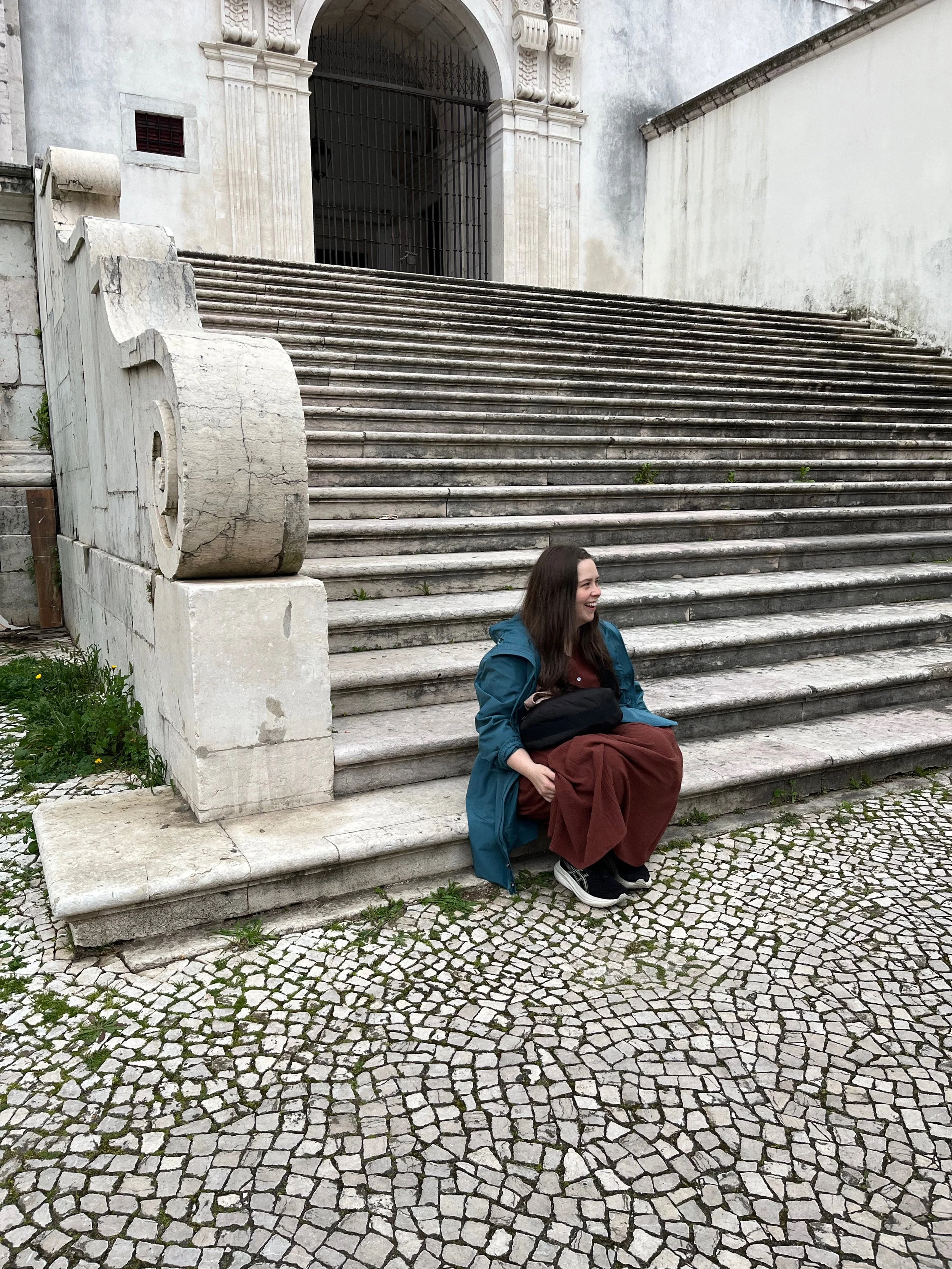
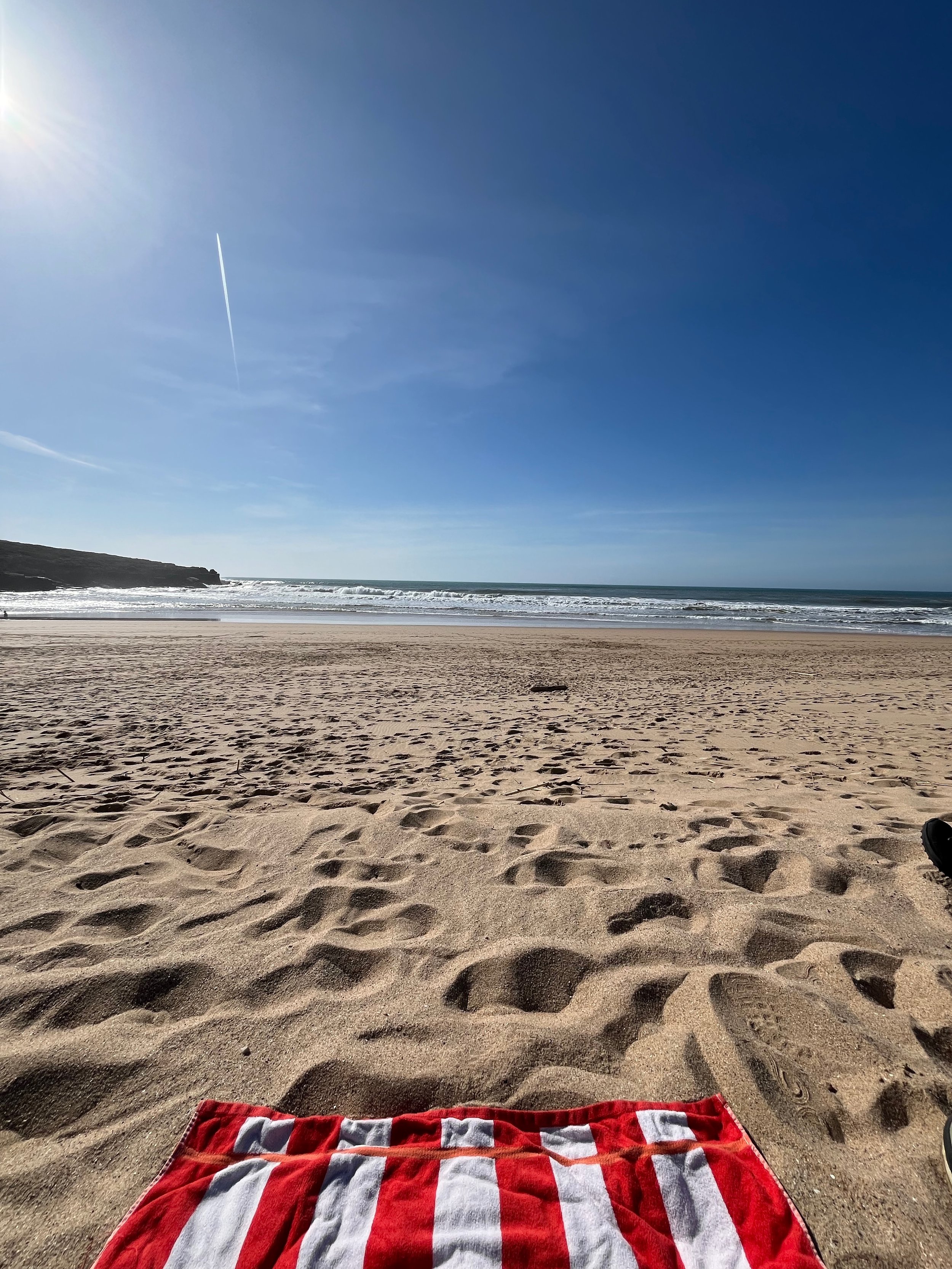
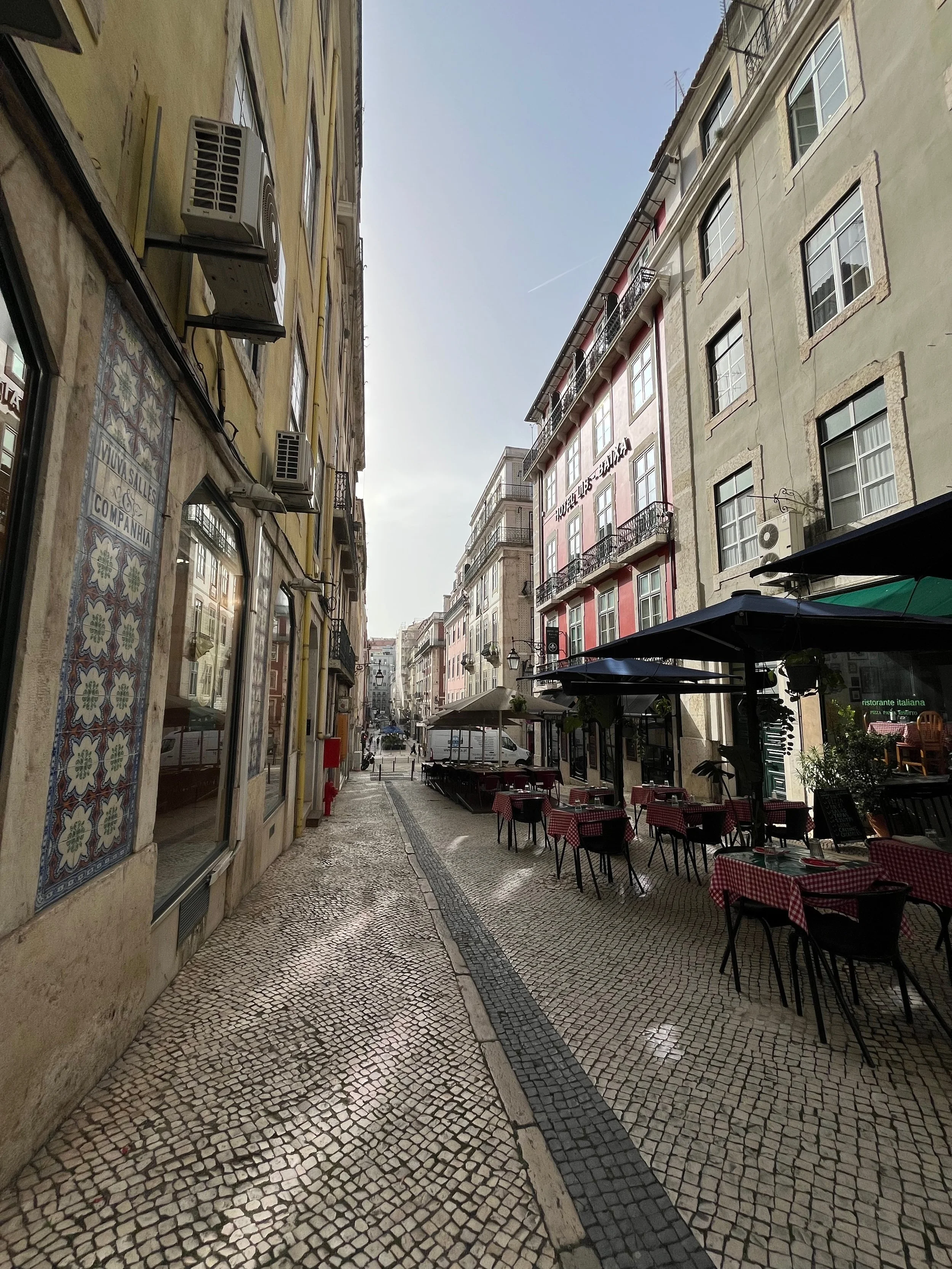
The wildest part about all of this is that I often ignore that I could change my life for the better (and maybe even others’ lives) until something disrupts me. And then I say to myself, “Why couldn’t I see this before?!” This is why I go out into the wilderness intentionally; why I get on a plane and travel five thousand miles; why I’m on this WWF board… because the wilderness presumes that I will grow. In order to survive there (and to thrive when I get back home), I must grow.
Whether you find yourself in the wilderness of Lent, the wilderness of a difficult life circumstance, or the “actual” wilderness, let’s keep reminding one another to step into a little disruption! And get ready, because it could change everything. After all, the wilderness is making a powerful, life-changing assumption about us… that we’re going to grow.